|
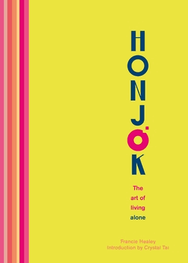
The term 혼족 (honjok) was born out of two South Korean terms:
혼 (hon), meaning alone 족 (jok), meaning tribe Honjok is the South Korean term for loners and for those who undertake activities alone. Living and being alone is a growing, global phenomenon fed in part by the isolation that social media and technology can bring and by more people opting to remain single. This beautiful and timely book analyzes the trend and its cultural and historical context. It explains the difference between lonely and alone; assesses how much alone time is beneficial to different people - whether introverts of extroverts; examines the benefits of embracing alone time for self discovery, building self worth and inner strength and looks at different acts of solitude that can be nurtured to help foster happiness and fulfilment. |
Sneak a peek
|
The Honjok lifestyle is an invitation
to reflect on who we really are. -Francie Healey |
Giving practical and psychological support, this book will help those embarking on their solo adventure to embrace independence with confidence.
First things first:
Are you an Introvert or an Extrovert?
Are you an Introvert or an Extrovert?
Actually, you can be a bit of both! In this book, we explore the spectrum of introversion of extroversion, defining introvert, extroverts, and ambiverts.
Take the quiz and read more about Honjok: The Art of Living Alone in this article by DailyMail.
What are readers saying? |
"Francie Healey suggests the emergence of a new tribal connection – one brought about by celebrating solitude rather than fearing it, thereby connecting us with like-minded people. So, if you are currently living alone, about to begin a solo adventure or simply curious to know more, this book will inspire you with ideas and confidence!"
-Helen Carmichael, The Living Well Alone Project
More by Francie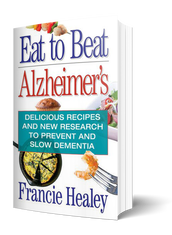
Eat to Beat Alzheimer's
Delicious Recipes & New Research to Prevent and Slow Dementia |
I got the idea for Eat to Beat Alzheimer’s from my stepfather, John Q. Durkin back in June 2012. At that time, I had been looking for opportunities to write a cookbook. When I met with my stepfather he asked if there was any nutrition, or any diet that could prevent Alzheimer’s, or at least slows the progression of Alzheimer’s. He said people his age, (he was in his early 60s at the time), are very interested in prevention, and the rate of Alzheimer’s has been on the rise. I had never once thought about that, but I felt like it was inspired, as soon as he said it. I knew that I would write it, and I promised him I would write this book.
|